Order authentic Philly Cheesesteak with us! We offer catering & delivery! Please call: 858-693-0047 for orders!
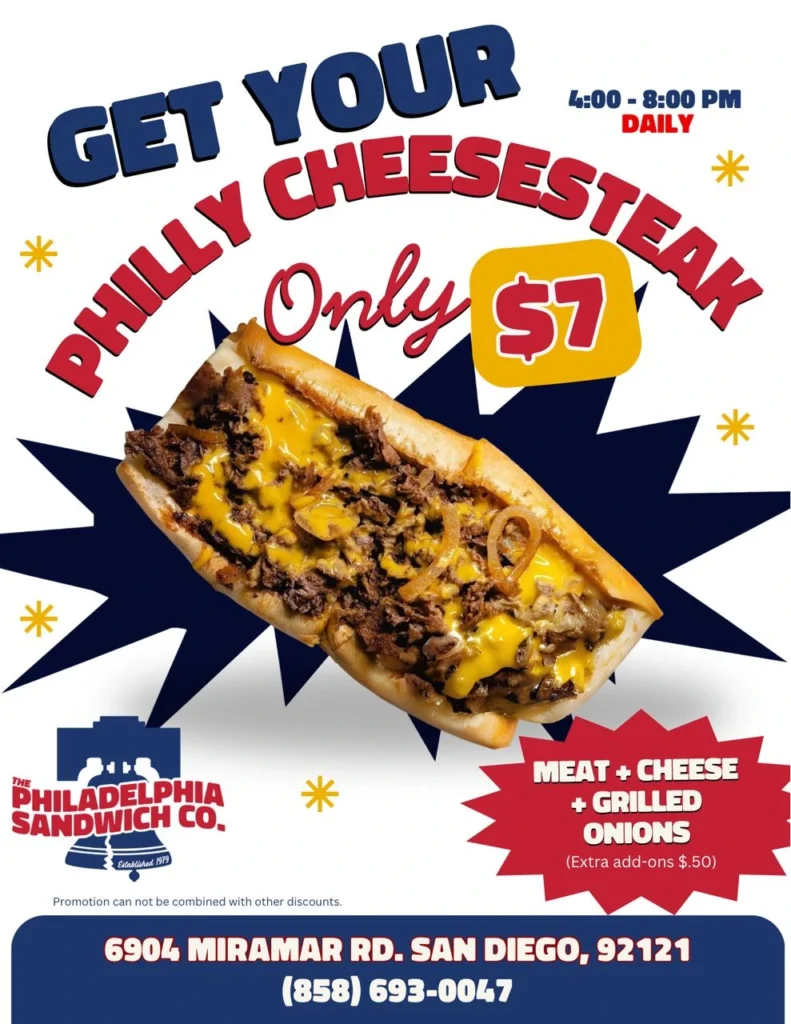
Monday - Saturday 4-8pm $7 cheesesteaks view
Details


A keto Philly cheesesteak casserole is a low-carb adaptation of the classic sandwich that removes the hoagie roll but preserves the core flavors that define a traditional cheesesteak. Instead of bread, the dish relies on properly browned ground beef or chicken, softened onions, optional peppers, and melted provolone or white American baked together into a cohesive casserole.
The goal is not simply to remove carbohydrates. The goal is to preserve the identity of the cheesesteak itself. When prepared with care, a keto casserole can capture the savory richness that makes a cheesesteak recognizable while staying aligned with low-carb eating.
That means the fundamentals still matter. High-heat browning creates depth early. Fat levels must be controlled so the dish feels rich without becoming greasy. Vegetables must be managed so they do not release excess water during baking. Cheese must function as a binder rather than simply melting on top. When those elements are respected, the dish still tastes unmistakably like a cheesesteak, even without the roll.
A traditional Philly cheesesteak is built around a specific structure: thin-sliced ribeye seared quickly on a flat top, cheese melted into the chopped meat, and a soft hoagie roll that absorbs juices while holding everything together. When the roll is removed for keto purposes, the dish loses the bread’s ability to absorb moisture and balance fat, so technique matters even more.
In San Diego, cheesesteaks often show up as “steak-and-cheese” variations with extra sauces or heavy seasoning blends. The original Philadelphia standard is different. It is built on high heat, beef-forward flavor, onions softened for balance, and cheese integrated for cohesion.
At The Philadelphia Sandwich Co., our benchmark remains the traditional flat-top ribeye cheesesteak served on a proper hoagie roll. If you want to see the classic sandwiches and the core cheeses used daily, you can explore our Official Menu.
Removing bread changes the format, not the fundamentals. The dish needs the same flavor-building steps that make a cheesesteak work, but it must create structure through preparation rather than relying on a roll.
The protein you choose determines both flavor and texture. While ribeye defines the classic sandwich, ground beef and sliced chicken often behave better in a baked dish.
For a ground beef casserole, 80/20 ground beef is usually the best balance. Leaner blends often dry out during baking and become crumbly, while extremely fatty blends can leave grease pooling on the surface. Proper browning is essential. Heat the skillet thoroughly, spread the beef across the pan, and allow it to sit briefly so browning begins before breaking it apart. Drain excess grease lightly, but do not remove it entirely. A small amount carries flavor through the casserole, while too much can cause separation during baking.
For a chicken version, thin-sliced chicken breast or thigh can work. Thigh is more forgiving because of its higher fat content. If using breast, avoid fully cooking it before baking. Light browning and partial cooking are enough, because the oven finishes the process. Since chicken contains less fat than beef, small pieces of cream cheese can help stabilize the dish by improving cohesion and reducing the risk of a watery base.
Onions are essential to preserving cheesesteak identity. Slice them thin and cook until translucent and lightly softened. Avoid deep caramelization, which can push the flavor profile too sweet for a cheesesteak-style dish.
Green bell peppers are optional. If used, sauté them briefly so they soften without releasing excessive moisture. One of the most common casserole problems is adding vegetables raw. During baking, raw vegetables release water, thinning the structure and creating liquid pooling at the bottom. Let cooked vegetables rest briefly before assembly so steam dissipates. That pause improves sliceability and cohesion.
Cheese is not just a topping in this dish. It is part of the structure. Provolone and white American are reliable options because they melt smoothly and bind ingredients effectively.
Instead of scattering shredded cheese randomly, build the casserole in layers. Combine browned protein and sautéed vegetables in the baking dish. If using cream cheese, dot small pieces throughout the mixture. Then lay provolone slices across the top so they overlap slightly. As the casserole bakes, the cheese melts downward and binds the filling beneath it.
Aggressive browning on top usually signals excessive heat, which can lead to fat separation and oil pooling. After baking, allow the casserole to rest for about five minutes. This resting period allows the melted cheese and proteins to settle into a unified structure that slices cleanly.
1 1/2 pounds 80/20 ground beef
1 medium onion, thinly sliced
1 green bell pepper (optional), sliced
6–8 slices provolone cheese
4 ounces cream cheese (optional)
Salt
Light black pepper
Keto casseroles work well for meal prep, but reheating technique matters. Let the casserole cool fully before refrigerating in an airtight container. For the best texture, reheat gently in the oven around 325°F so fats and cheese warm gradually rather than separating.
If using a microwave, cover loosely and heat in short intervals. This prevents the cheese from overheating, which can cause oil release on the surface.
If the casserole turns watery, vegetables likely released too much moisture or the protein was not drained properly before baking.
If the dish feels greasy, excess fat remained in the skillet or the casserole was baked too long.
If the flavor feels flat, the meat likely did not brown sufficiently during the stovetop stage.
If the texture feels dry, lean protein or excessive baking time may be responsible.
Most issues begin before the casserole enters the oven. Proper stovetop technique determines the final outcome.
No. Watery casserole usually comes from raw or undercooked vegetables releasing moisture during baking, or from skipping proper draining of excess fat.
80/20 ground beef is the most common option because it stays moist and flavorful. Thin-sliced chicken works well for a lighter version, especially if you use cream cheese to improve cohesion.
Provolone and white American melt smoothly and help bind the casserole. Layering slices across the top creates more even cohesion than random sprinkling.
Use gentle heat. Reheat around 325°F in the oven when possible, or microwave in short intervals while covered loosely to prevent overheating the cheese layer.
Keto casseroles can be a practical home adaptation when you want cheesesteak flavor without the roll. But the traditional cheesesteak experience is still built around ribeye, a flat top, and a hoagie roll designed to absorb juices without falling apart.
For more than four decades, The Philadelphia Sandwich Co. has prepared cheesesteaks using traditional Philadelphia techniques at our Miramar Road location in San Diego. Thin-sliced ribeye cooks on a hot flat-top grill, cheese melts directly into the meat, and hoagie rolls provide the structure that holds the sandwich together. Experience shows in every step, from how the beef is browned and chopped to how the roll compresses around the filling.
The Philadelphia Sandwich Co.
6904 Miramar Rd. Suite 207
San Diego, CA
Phone: (858) 693-0047